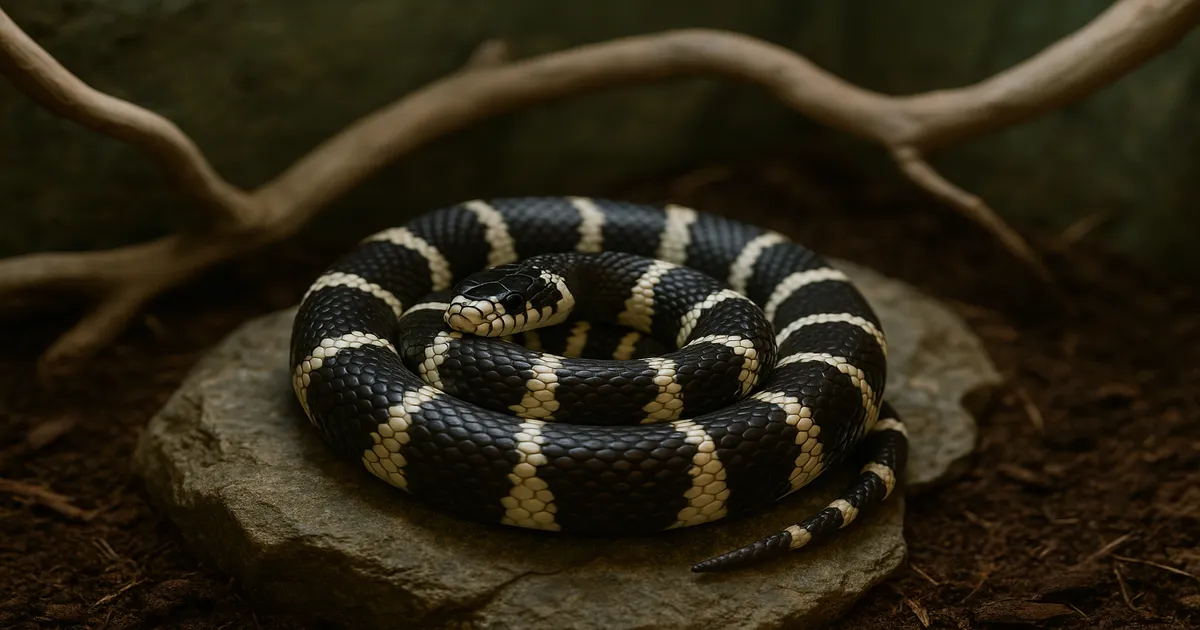
Quick Answer: Your kingsnake isn’t scared of you personally — it’s running a hardwired threat-avoidance program that evolution baked into every snake’s brain. The most common culprits are handling too soon after bringing it home, missing or wrong-sized hides, incorrect temperatures, and poor approach technique. The good news is that kingsnakes are one of the most handleable colubrid species out there, and persistent defensiveness almost always has a fixable cause.
If you’re asking why is my kingsnake scared of me, the honest first answer is: it’s not about you. Kingsnakes — even captive-bred ones raised in quiet homes — are tamed wild animals, not domesticated pets. They don’t have the thousands of years of selective pressure toward human tolerance that dogs do. What looks like fear is really a threat-avoidance reflex, and understanding that distinction changes how you approach the whole problem.
Why Is My Kingsnake Scared of Me? It’s Not Personal
How a Kingsnake’s Brain Processes Threats
A kingsnake’s nervous system is constantly running threat assessment. Large moving object overhead? Possible raptor. Sudden vibration? Possible predator footstep. Unknown scent near the hide? Unknown danger. This isn’t anxiety in any emotional sense — it’s a fast, automatic response system that kept their ancestors alive for millions of years.
Even a kingsnake hatched in a plastic tub and never exposed to a real predator still has this system fully intact. That’s the part people find frustrating, but it also means the fix is almost always environmental or behavioral — not something broken about your snake.
Normal Defensive Behaviors and What They Mean
Think of these as your snake talking to you, not attacking you:
- Musking — releasing foul-smelling cloacal secretions. Translation: “You are large and alarming and I want you to leave.”
- Striking — a warning or a feeding response. Often more bark than bite from a juvenile.
- Tail rattling — mimicking a rattlesnake. Genuinely impressive for an animal with no rattle.
- Balling up — tucking the head inside coils. Defensive, not aggressive.
- Frantic thrashing — active escape attempt. The snake is overwhelmed; put it back.
- Food refusal — a chronic stress signal. If a kingsnake stops eating, something in its environment is wrong.
Captive-Bred vs. Wild-Caught: Does It Matter?
Enormously. A captive-bred and born (CBB) kingsnake starts with a much shorter road to being handleable — it’s never had a real predator experience, and it associates the smell of rodents with food rather than chaos. Wild-caught adults are a different story. Some tame down with patient, consistent work, but plenty never fully habituate to handling. If you’re working with a wild-caught snake, recalibrate your expectations now rather than six months from now.
Husbandry Problems That Make Kingsnakes Fearful
This is where most people go wrong. They assume the snake has a personality problem when the actual issue is that the enclosure is too cold or there’s nowhere to hide. Before you change anything about how you handle your snake, audit the setup.
Temperature: The Overlooked Stress Trigger
A cold snake is a stressed snake, full stop. Kingsnakes need:
- Warm side: 85–88°F (29–31°C)
- Cool side: 72–76°F (22–24°C)
- Nighttime minimum: 68°F (20°C)
Below that nighttime minimum, you’re looking at a sluggish, immune-compromised animal that presents as perpetually defensive. Always verify temps with an infrared temperature gun (Etekcity Lasergrip 774) rather than stick-on dial thermometers, which can read 10°F off and give you false confidence.
Humidity and Shed Cycle Stress
Keep ambient humidity at 40–60%. During a shed, bump it to 60–70% to help the skin release cleanly. A snake dealing with dysecdysis — retained shed — is physically uncomfortable and noticeably more defensive than usual. If your snake’s eyes have gone blue and opaque, that’s not the time to troubleshoot handling behavior. Leave it alone and revisit in a week.
Enclosure Size: Why Bigger Isn’t Always Better
Here’s a counterintuitive one: an enclosure that’s too large for a juvenile or newly acquired snake is a genuine source of stress. A 12-inch hatchling in a 4-foot tank feels exposed and insecure — it can’t find the walls, can’t feel contained, and its threat-assessment system runs hot constantly.
- Juveniles under 24 inches: A 20-gallon long (30” × 12” × 12”) is plenty
- Sub-adults to adults up to 48 inches: 40-gallon breeder (36” × 18” × 16”) minimum
- Large adults over 48 inches: 4’ × 2’ × 2’ or larger
The Non-Negotiable Role of Hides
Two correctly sized hides — one on the warm side, one on the cool side — is the single most impactful fix for chronic defensiveness. Not one hide. Two. Sizing matters too: the snake should fit snugly with minimal extra space. A hide it can rattle around in provides no security. Cork bark and commercial plastic hides both work well; what matters is that the snake feels enclosed, not just covered.
Handling Mistakes That Keep Your Kingsnake Scared of You
Handling Too Soon After Bringing Your Snake Home
Give a new snake a minimum of two weeks — ideally four — with zero handling. No exceptions. I know it’s hard when you’ve just brought home a beautiful animal, but handling on day two or three creates negative associations that can take months to undo. Let it eat successfully at least twice before you even think about picking it up.
The 48-Hour Post-Feeding Rule
After your snake eats, wait at least 48 hours before handling — 72 is better. A digesting snake is physiologically committed to that process, and disturbing it risks regurgitation. Regurgitation is hard on the snake physically and sets back your taming progress significantly.
Approaching From Above
Raptors attack from above. When you reach directly down into an enclosure from overhead, you’re triggering one of the oldest threat responses in the snake’s repertoire. Instead:
- Open the front or side of the enclosure if possible
- Approach from the side, not from directly above
- Scoop from below rather than grabbing — pinching triggers the prey-capture reflex
- Move slowly and deliberately, not hesitantly
Smelling Like Prey
If you’ve been handling rodents or other reptiles before picking up your snake, you may get a strike that has nothing to do with fear — it’s mistaken identity. Wash your hands with unscented soap before handling, then briefly rub them on the substrate inside the enclosure. This makes your hands smell like the snake’s safe space rather than something to investigate with teeth.
Use separate tongs for feeding and handling. Snakes learn to associate tongs with incoming food, and using the same pair for both creates unnecessary feeding-response strikes.
How to Tame a Defensive Kingsnake
Scent Familiarization Before You Touch the Snake
Before any handling sessions, spend a week doing passive exposure. Sit near the enclosure, talk quietly, let the snake observe you without any threat. Place a worn T-shirt near or partially draped over the enclosure so the snake gets used to your scent. This sounds too simple to work. It isn’t.
The Hook Trick
For a snake that strikes or musks every time a hand enters the enclosure, a snake hook changes everything. Use it to gently lift and move the snake before your hand enters the picture. Once it’s out and moving on the hook, slide your hand underneath for support. Many chronically defensive snakes respond to this within just a few sessions — the hook simply isn’t associated with threat the way a hand is.
Session Length, Frequency, and How to End on a Win
During active taming, aim for two to three sessions per week, ten to fifteen minutes each. Daily handling overwhelms a defensive snake; monthly handling never builds habituation. The most important rule: end the session when the snake is calm, not when it strikes. If you put it back every time it musks, you’ve just taught it that musking ends the interaction. Wait for even a brief moment of stillness, then return it.
The Burrito Method for Severely Defensive Snakes
For a genuinely traumatized or wild-caught snake, try wrapping it loosely in a small fleece cloth — not constricting, just enclosed. The snake feels fabric pressure on its sides (like a burrow), smells your scent, and experiences warmth without the full exposure of open handling. It’s a bridge technique, not a permanent solution, but it works.
Species-Specific Temperament: Setting Realistic Expectations
California Kingsnake: The Notoriously Nippy Juvenile
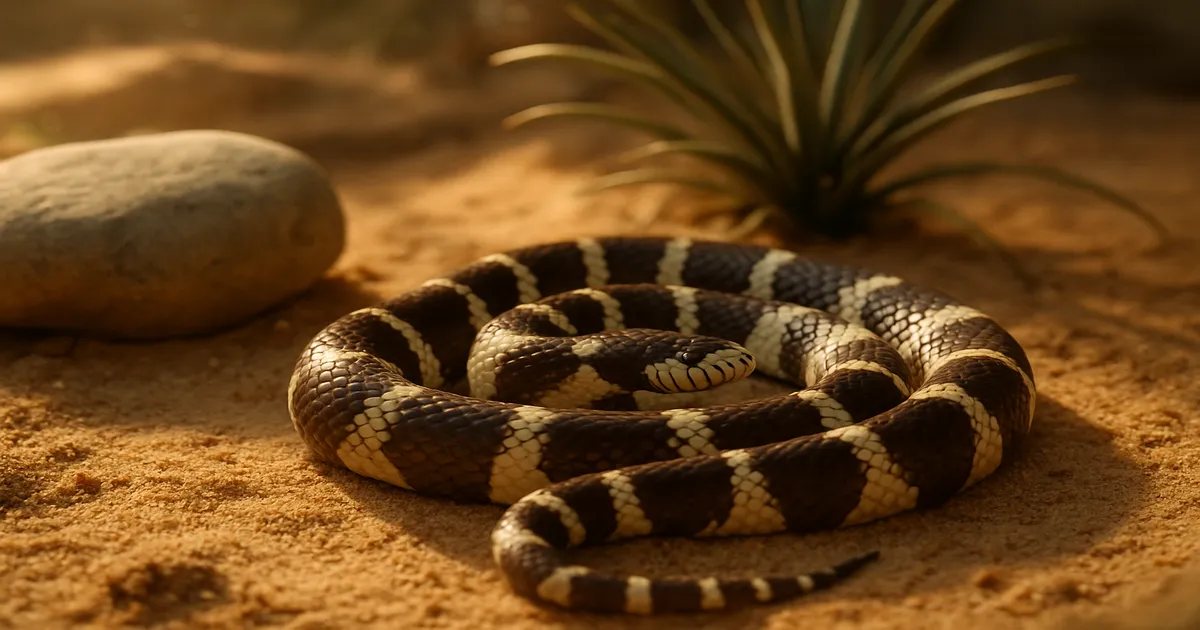
California kings are the most common kingsnake in the hobby and also the most reliably defensive as juveniles. I’ve seen people rehome perfectly normal California king hatchlings because they assumed the biting meant the snake was broken. It’s not. The vast majority calm down significantly by six to twelve months with consistent, patient handling. Don’t give up on a defensive California king juvenile — it’s almost certainly a phase.
Mexican Black Kingsnake: The Beginner-Friendly Option
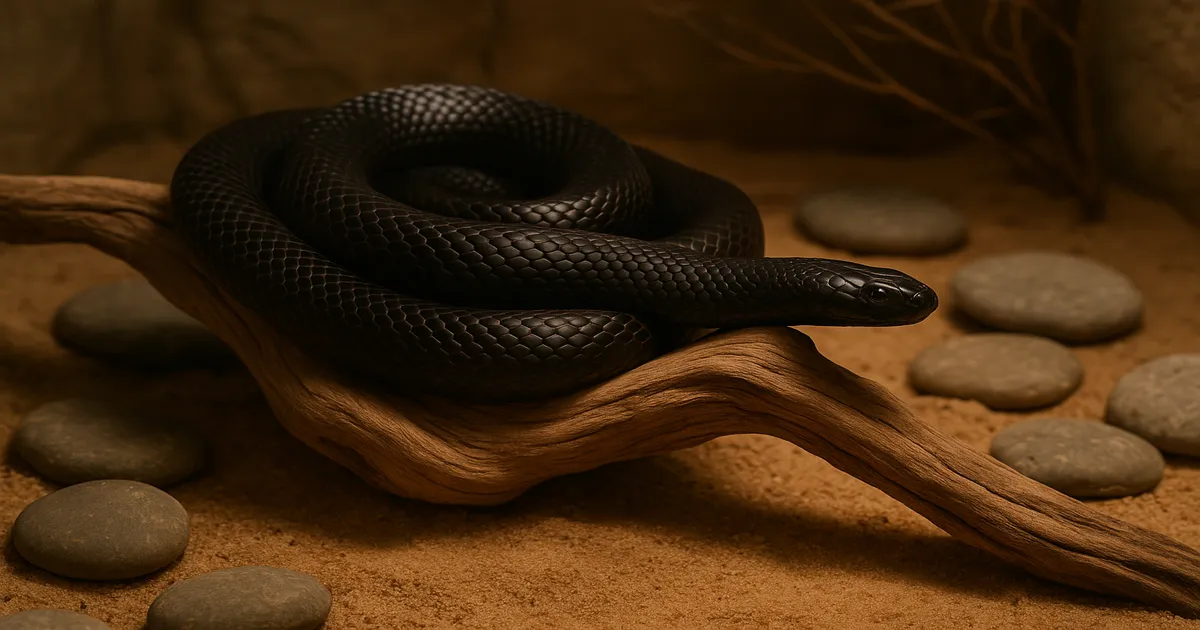
If you want a kingsnake that’s genuinely more relaxed right out of the gate, the Mexican black kingsnake is your best bet. Juveniles are still defensive — they’re kingsnakes — but they tend to tame faster and stay calmer than California kings. They’re also stunning, which helps with motivation during the taming process.
Eastern, Speckled, and Milk Snakes
Eastern kings are generally calmer than California kings and do well at slightly higher ambient humidity (50–60%). Speckled kings are moderate — responsive to taming, not usually nightmares. Milk snakes are smaller and faster, which makes them feel more chaotic to handle, but they respond to the same approach. Honduran milk snakes tend to be calmer than Pueblan or Sinaloan.
Seasonal Defensiveness
A snake that was handleable all summer and suddenly gets nippy in October isn’t regressing — it’s responding to seasonal biology. As days shorten and temperatures drop, kingsnakes’ bodies prepare for brumation, and increased defensiveness is a normal part of that shift. Ride it out. They usually come back around in spring.
Frequently Asked Questions
How long does it take for a kingsnake to get used to being handled?
Most captive-bred kingsnakes show noticeable improvement within four to eight weeks of consistent, correct handling — two to three sessions per week, ten to fifteen minutes each. Juveniles of reactive species like California kings may take six to twelve months to fully settle. Wild-caught adults may never fully habituate, and that’s okay.
Why does my kingsnake musk every time I pick it up?
Musking means the interaction feels threatening. The most common causes are approaching from above, handling too soon after acquisition, incorrect temperatures, or insufficient hides creating chronic baseline stress. Work through the husbandry checklist first, then address technique — specifically the hook method to break the hand-equals-threat association.
Is it normal for a kingsnake to strike at its owner?
Yes, especially for juveniles and newly acquired animals. Striking is either a defensive warning or a feeding-response case of mistaken identity. It doesn’t mean the snake is aggressive or permanently broken. Address husbandry, use proper approach technique, and make sure you don’t smell like prey before handling. Most striking behavior resolves with time and consistency.
Should I handle my kingsnake if it’s in shed?
No. From the time the eyes go blue and opaque until three to five days after the shed is complete, leave the snake alone. It’s visually impaired and physically uncomfortable, and handling during this window increases stress and the likelihood of a defensive response — even from an otherwise calm snake.
How do I know if my kingsnake is stressed vs. just defensive during handling?
Defensive behavior is situational — it happens during handling and resolves once the snake is back in its enclosure. Chronic stress looks different: food refusal, excessive hiding even when undisturbed, rapid or erratic tongue-flicking, weight loss, and frequent escape attempts. If your snake is defensive only during handling but eats well and behaves normally otherwise, that’s a handling problem. If it’s off food and restless around the clock, audit the husbandry first.