Quick Answer: The best substrate mix for your reptile depends entirely on the species you’re keeping. Match it to your animal’s natural habitat — arid, tropical, or temperate — and prioritize depth, moisture level, and ingredient safety over convenience or looks. There’s no universal answer, but this guide will get you to the right one fast.
What Is the Best Substrate Mix to Use? (And Why It Depends on Your Species)
There’s no single best substrate for all reptiles — full stop. A ball python thrives in deep, damp coir-and-topsoil mix; that same substrate would give a uromastyx a respiratory infection inside a month. A corn snake does fine in cypress mulch; a crested gecko needs something that holds 80% humidity without going anaerobic. Substrate choice is always species-first, habitat-second.
What makes this worth understanding properly is that substrate isn’t just floor covering. It drives thermoregulation, hydration, behavioral expression, and humidity — get it wrong and you’ll be chasing mystery health problems for months. Get it right and your animal will behave in ways you’ve never seen before.
Every recommendation below flows from three habitat categories:
- Arid/Desert — 20–40% humidity, dry surface, optional moisture at depth. Leopard geckos, uromastyx, bearded dragons, sandfish skinks.
- Tropical/Humid — 60–90% humidity, substrate that feels like a wrung-out sponge. Ball pythons, crested geckos, emerald tree boas.
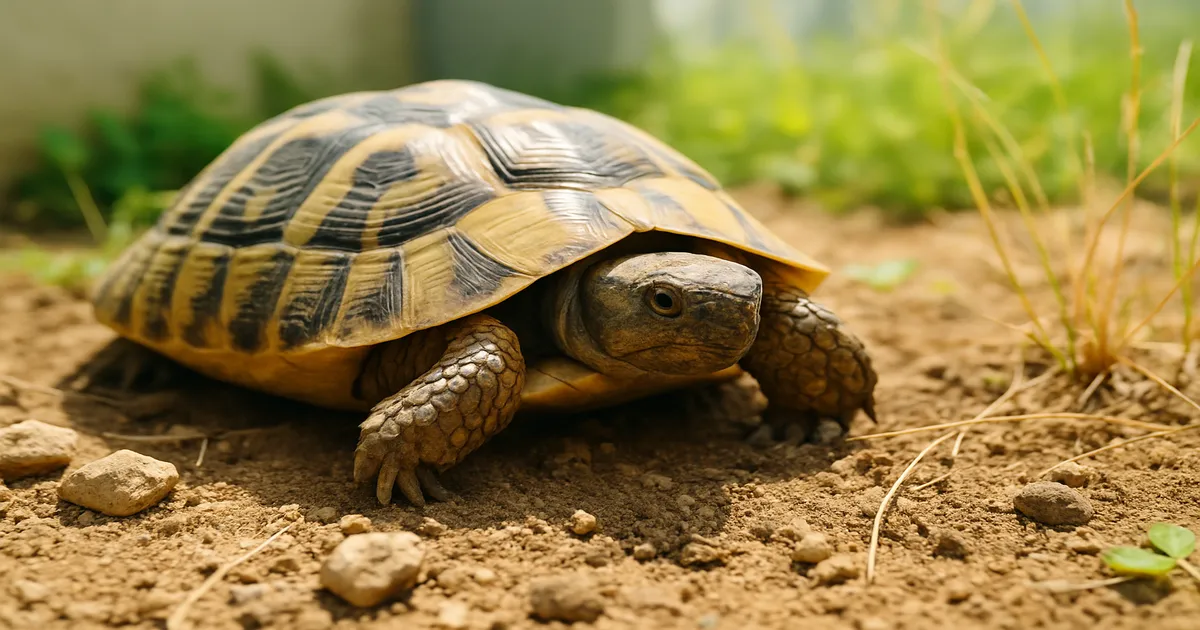
- Temperate/Mixed — 40–60% humidity, moderate moisture. Corn snakes, blue-tongued skinks, Russian tortoises.
Once you know which category your animal belongs to, the rest of the decisions get much easier.
Substrate Parameters by Habitat Type
Arid and Desert Species
- Humidity: 20–40% ambient
- Moisture: Dry surface; optionally slightly damp 6–8 inches down for burrowing thermoregulation
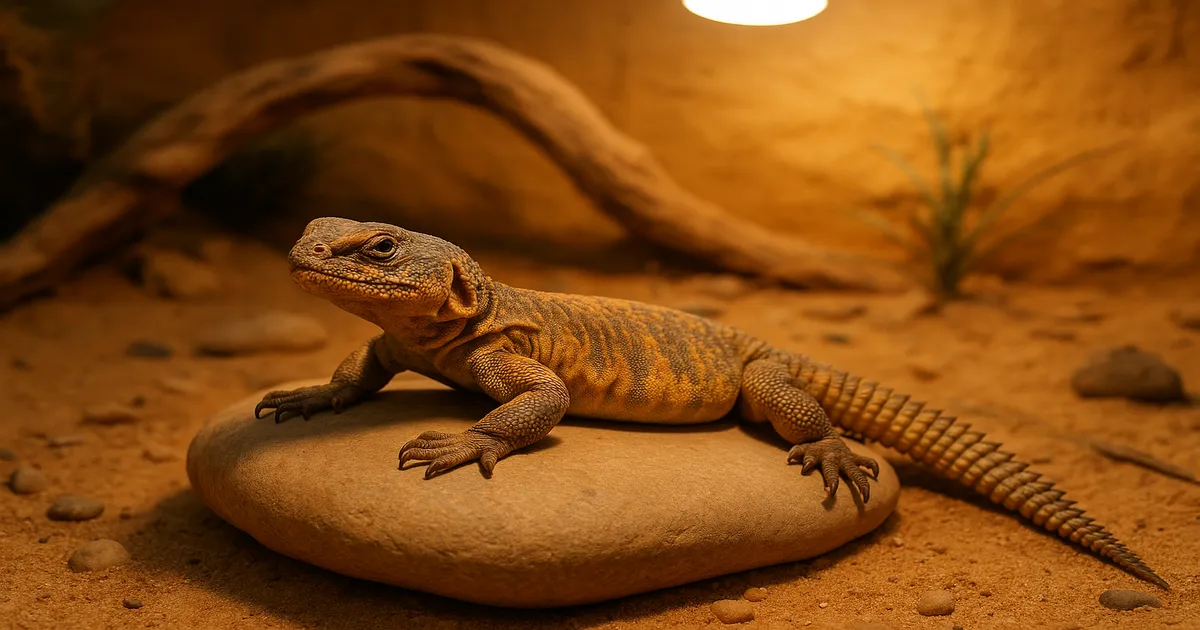
- Depth: 4–6 inches minimum for small species; 8–12 inches for active burrowers like uromastyx
- Belly temps: 85–95°F (29–35°C)
- Key species: Leopard geckos, uromastyx, bearded dragons, sandfish skinks, Kenyan sand boas
Tropical and Humid Species
- Humidity: 60–90% depending on species
- Moisture: Damp but not waterlogged — squeeze a handful and you should get zero to one drop
- Depth: 3–4 inches for surface dwellers; 6–12 inches for burrowers like ball pythons
- Key species: Ball pythons, crested geckos, emerald tree boas, green tree pythons
One thing keepers underestimate: moist substrate holds heat differently than dry material. A malfunctioning heat mat under wet coir can cause thermal burns faster than you’d expect. Keep at least 2–3 inches of substrate depth over any heat source.
Temperate and Mixed Species
- Humidity: 40–60%
- Depth: 3–6 inches standard
- Key species: Corn snakes, kingsnakes, blue-tongued skinks, Russian tortoises
Every Major Substrate Type, Reviewed Honestly
Coconut fiber (coir) is probably the most versatile substrate available. It retains moisture well, has a slightly acidic pH (5.5–6.5) that suits tropical species, and supports microfauna in bioactive setups. Zoo Med Eco Earth is the standard. The downside: coir compacts over time and goes anaerobic if you oversaturate it, so it works best in mixes rather than alone.
Organic topsoil from a hardware store is one of the best substrate components out there — and it costs almost nothing. The catch is reading the label carefully. No fertilizers, no perlite, no vermiculite, no Miracle-Gro. Timberline Topsoil is a commonly recommended brand. It mixes beautifully with sand or coir and supports burrowing better than almost anything else.
Play sand — specifically washed children’s play sand like Quikrete Play Sand — is safe and widely available. Never use calcium sand (Vita-Sand, Calci-Sand). Despite the marketing, it clumps on contact with stomach acid and causes fatal gastrointestinal impaction. It is not a safer alternative to regular sand. It’s more dangerous. Sand works best as a component in a mix, not a standalone substrate.
Cypress mulch is my go-to for temperate snakes. It holds humidity well and resists mold better than coir alone, thanks to natural cypress oils. Zoo Med Forest Floor is the standard recommendation. Make sure you’re getting pure cypress — no dyes, no chemical treatments. And never confuse it with cedar or pine, which are genuinely toxic.
Orchid bark has a larger particle size that makes it ideal as a top layer in bioactive setups or for arboreal species that need airflow. It holds humidity moderately but drains well, which makes it a key ingredient in the ABG mix.
Sphagnum moss can hold up to 20 times its weight in water and is naturally antimicrobial. It’s exceptional in humid hides and as a top layer, but using it as a primary substrate almost always leads to oversaturation. Think of it as a targeted moisture tool, not a substrate base.
Pre-made bioactive mixes like Bio Dude’s Terra Sahara (arid), Terra Firma (temperate), and Terra Fauna (tropical) are professionally formulated and save you sourcing work. You’ll pay for that convenience — a large enclosure can run $60–80+. For most keepers, DIY is more economical once you’ve done it once.
The Best DIY Substrate Mixes by Habitat
Classic tropical mix: 60% organic topsoil + 40% play sand. This is the workhorse. It holds humidity, allows burrowing, supports microfauna, and works for ball pythons, blue-tongued skinks, hognose snakes, and box turtles. Mix dry first, then add water gradually until you hit that wrung-out sponge consistency.
ABG mix for bioactive tropical vivariums: Named after Atlanta Botanical Garden, this is the gold standard for bioactive tropical setups — 2 parts orchid bark, 2 parts coconut fiber, 1 part sphagnum moss, 1 part horticultural charcoal, 1 part peat moss. It drains well, supports live plants and microfauna, and stays structurally stable long-term. Best for crested geckos, day geckos, dart frogs, and small tropical snakes.
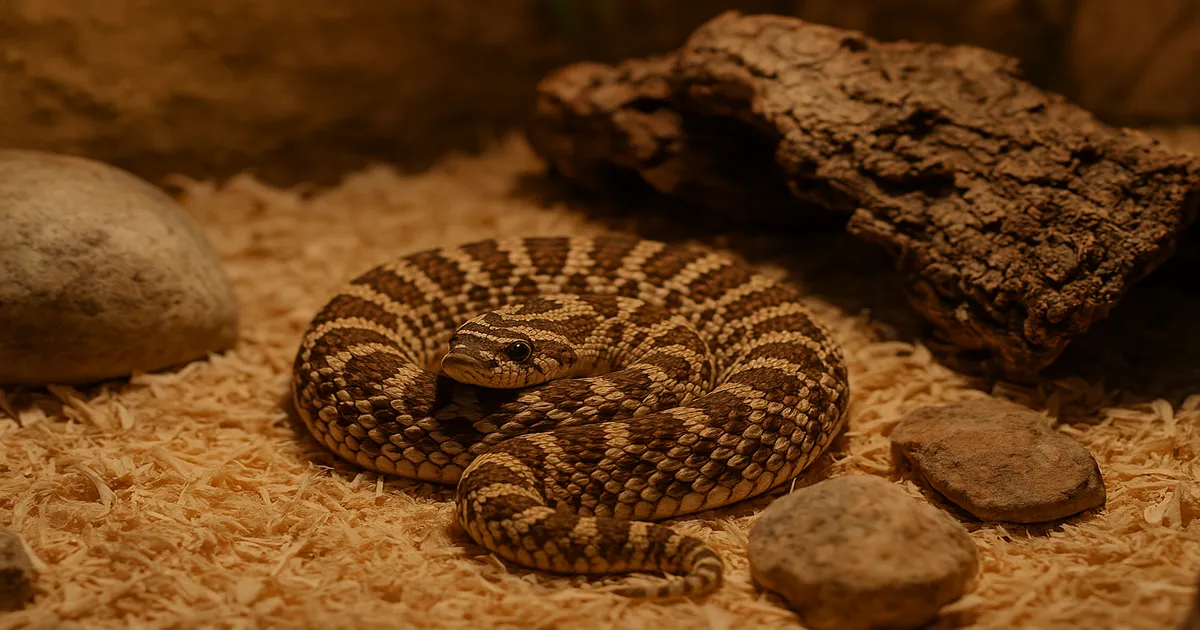
Arid mix for desert species: 70% play sand + 30% organic topsoil. Pure sand has real impaction risk and holds no burrow shape. The topsoil gives it cohesion, lets your animal actually dig tunnels, and reduces ingestion risk significantly. Works well for uromastyx, sandfish skinks, Kenyan sand boas, and bearded dragons.
Cypress/coir mix for temperate snakes: 50% cypress mulch + 50% coconut fiber. The cypress resists mold; the coir retains moisture. Together they hit that 40–60% humidity sweet spot corn snakes, rat snakes, and kingsnakes need. Easy to spot-clean and slow to break down.
Tortoise burrowing mix: 60% organic topsoil + 30% play sand + 10% sphagnum moss. Holds burrow shape, allows the digging behavior tortoises need for psychological health, and creates a gentle moisture gradient. Works for Russian, Hermann’s, and Greek tortoises. For sulcatas, scale up the depth significantly — these animals dig seriously.
Drainage layer for bioactive setups: Add 1–2 inches of LECA or washed pea gravel at the bottom, then a mesh or fiberglass screen separator to keep substrate from mixing down. Optionally add a thin layer of activated charcoal between the mesh and substrate to reduce anaerobic bacteria. Without this layer, bioactive enclosures flood from the bottom up, the microfauna die, and the whole system crashes. It takes 10 minutes to install and prevents the most common bioactive failure mode.
Do the burrow integrity test before adding your animal: push a finger into the substrate and pull it out — the tunnel should hold its shape. If it collapses immediately, add more topsoil or coir.
The Most Common Substrate Mistakes
Using calcium sand. Vita-Sand and Calci-Sand are aggressively marketed and genuinely dangerous. Use washed play sand mixed with topsoil instead.
Substrate that’s too shallow. Most care sheets say 2–3 inches. That’s not enough for almost any species that benefits from burrowing. Aim for 4–6 inches minimum; 8–12 for dedicated burrowers.
Oversaturating. Waterlogged substrate goes anaerobic and causes scale rot and respiratory infections. The squeeze test is your check: grab a handful, squeeze hard — zero to one drop of water released is correct.
Cedar or pine shavings. Aromatic phenols in cedar and pine cause respiratory distress, liver damage, and death with prolonged exposure. Use aspen for dry-environment snakes, or cypress mulch and coir for everything else.
Loose substrate for juveniles or sick animals. Impaction risk is real for animals under 6 inches SVL and for any animal that’s ill or not feeding well. Keep them on paper towel or tile until they’re healthy and appropriately sized.
Skipping the drainage layer in bioactive setups. Already covered above, but worth repeating — it’s the single most common reason bioactive enclosures fail.
Pro Tips Worth Actually Using
Layer like nature does. Don’t dump one homogeneous mix. Build it in layers: drainage base, primary substrate mix, then dried leaf litter on top — magnolia, live oak, or Indian almond leaves all work. This creates microclimates animals will actively seek out.
Seed bioactive setups before adding your animal. Set up the enclosure 2–4 weeks early. This gives springtails and isopods time to establish, plants time to root, and the microbial community time to stabilize. The most common bioactive failure traces directly back to adding the animal too soon. Josh’s Frogs and Rubber Ducky Isopods are reliable sources for starter cultures.
Track humidity in real time. A Govee Bluetooth Hygrometer makes it easy to see exactly how your substrate choice is affecting ambient humidity — and whether your misting schedule is actually working.
Keep a substrate journal. Note setup date, spot-clean dates, and how humidity responds to misting. Sounds tedious. It makes troubleshooting infinitely easier.
Frequently Asked Questions About Reptile Substrate
What is the best substrate mix to use for a ball python? The 60/40 topsoil-and-play-sand mix works well, but many keepers prefer straight coir or a coir/topsoil blend for ball pythons specifically. Aim for 6–12 inches of depth and that wrung-out sponge moisture level. Ball pythons are heavy burrowers and absorb moisture through their ventral scales, so depth and humidity matter more than the exact mix ratio.
Is loose substrate safe, or will my reptile get impacted? Loose substrate is safe for healthy adult reptiles kept at correct temperatures. Impaction risk rises when animals are cold (slowing digestion), ill, or juveniles under 6 inches SVL. The real impaction culprits are calcium sand and fine silica sand — not topsoil or play sand mixes used correctly.
How often should I completely replace my substrate? In a non-bioactive setup, spot-clean weekly and do a full change every 3–6 months, or sooner if you notice odor or visible mold. In a functioning bioactive setup, you may never need a full change — the microfauna handle waste breakdown. A foul smell in a bioactive enclosure means something’s wrong (anaerobic conditions, drainage failure, microfauna crash) and needs fixing immediately.
Can I use potting soil from a garden center? Only if it’s 100% plain organic topsoil with no added fertilizers, perlite, vermiculite, or moisture-retaining gels. Most potting mixes contain at least one of those. Read the ingredient list, not just the front of the bag. When in doubt, use a verified brand like Timberline Topsoil or build your mix from components you can confirm individually.
What substrate works for both humidity retention and burrowing? The 60/40 topsoil-and-coir mix hits both requirements well. Topsoil gives it structural integrity for burrow tunnels; coir retains moisture without compacting as fast as topsoil alone. Add 10% play sand if your species needs slightly better drainage. This combination works for ball pythons, hognose snakes, blue-tongued skinks, and box turtles.