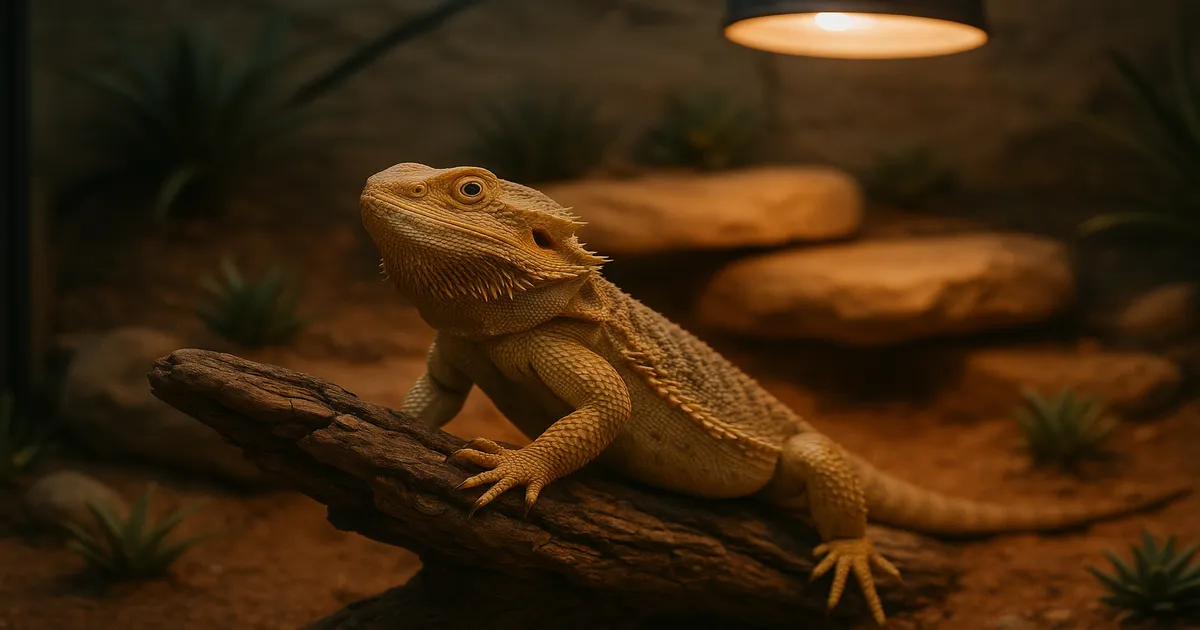
Quick Answer: Bearded dragons are the best overall pet lizard for kids — they’re active during the day, genuinely enjoy being handled, and have personalities that keep children engaged for years. Leopard geckos are the best budget pick and the right call for families with limited space or older kids who are up in the evenings.
If you’ve landed here wondering what is the best pet lizard for a kid, the honest answer is: it depends on your child’s age, your budget, and how much of the care you’re willing to take on yourself. Lizards make genuinely excellent kids’ pets — no pet allergies, endlessly interesting to watch, and caring for one teaches real responsibility in a way a goldfish never will. But not every species is equally forgiving, and a mismatch between lizard and family is the most common reason these setups fail within the first year.
This article covers five species worth considering, compares them side by side, and gives you a straight recommendation for each situation.
Best Pet Lizards for Kids: Top Picks at a Glance
Top Pick: Bearded Dragon
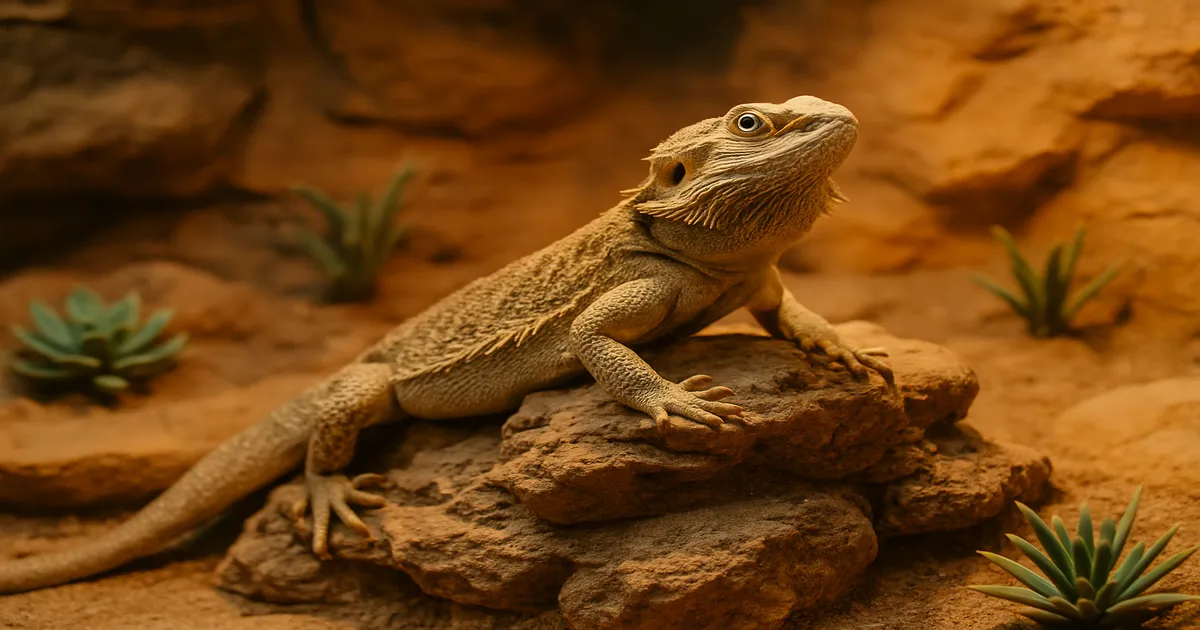
Bearded dragons earn their reputation. They’re diurnal — active when your kids are actually awake — and they have expressive behavior that younger children find captivating. The beard-puffing, the head-bobbing, the way they flatten out under a basking lamp and watch you with what genuinely looks like curiosity: there’s a lot of personality packed into one lizard. The setup cost is higher than anything else on this list, but families that invest in a proper enclosure rarely regret it.
Runner-Up: Leopard Gecko
Forty-plus years of selective breeding has produced leopard geckos that are calm, hardy, and easy to handle. Their compact setup and lower startup cost make them accessible for most families. The real trade-off is their nocturnal schedule — they suit older kids and teenagers far better than young children who are in bed by 8 PM.
What to Look For in a Kid-Friendly Pet Lizard
Temperament and Handling Tolerance
This is the big one. A lizard that bites, thrashes, or drops its tail every time a child reaches in is going to kill a kid’s interest fast — and damage the animal’s trust in humans. Look for species with a documented history of docility in captivity. Bearded dragons and blue-tongued skinks sit at the top of that list. Green anoles sit firmly at the bottom.
Diurnal vs. Nocturnal Activity
Kids are awake during the day. A nocturnal lizard that hides in a log from 8 AM to 6 PM is going to disappoint younger children who want to see their pet doing something. Bearded dragons are diurnal and genuinely active during daylight hours. Leopard geckos, crested geckos, and green anoles are nocturnal or crepuscular — still great pets, but better suited to older kids who can appreciate them in the evening.
Care Complexity
Every lizard on this list needs UVB lighting, temperature gradients, and a proper diet. None of them are “set it and forget it” pets. But the complexity varies a lot. Crested geckos eat meal replacement powder and need daily misting. Bearded dragons need a rotating insect-and-salad diet that shifts as they age. Be honest about who’s actually going to manage the care day-to-day — because it’s usually the parent.
Startup and Ongoing Costs
The enclosure, lighting, heating, thermostat, substrate, and décor add up fast. A proper bearded dragon setup runs $300–$600+ before you buy the animal. A leopard gecko setup can be done right for $150–$300. Factor in ongoing costs too: live feeders, calcium supplements, and at least one exotic vet visit per year. Reptile vets aren’t cheap, and you should find one before you need one.
Lifespan
This is the part most parents don’t think about until it’s too late. Leopard geckos routinely live 15–20 years in captivity. A bearded dragon your 8-year-old gets today may still be alive when they’re in college. That’s not a reason not to get one — it’s a reason to go in with your eyes open.
Space Requirements
A juvenile bearded dragon can start in a 40-gallon breeder tank, but an adult needs a 4×2×2 ft enclosure — that’s a piece of furniture. Crested geckos and leopard geckos, by contrast, are comfortable in compact setups that fit on a desk or dresser. Know your available space before you fall in love with a species that won’t fit in your apartment.
Side-by-Side Comparison: Best Lizards for Kids
| Species | Adult Size | Enclosure Size | Activity Time | UVB Required | Handling Tolerance | Lifespan | Est. Startup Cost |
|---|---|---|---|---|---|---|---|
| Bearded Dragon | 18–24 in | 4×2×2 ft | Diurnal | Essential | Very High | 10–15 yrs | $300–$600+ |
| Leopard Gecko | 8–10 in | 40-gal long | Nocturnal | Recommended | High | 15–20+ yrs | $150–$300 |
| Crested Gecko | 7–9 in | 18×18×24 in | Nocturnal | Optional | Moderate | 15–20 yrs | $150–$350 |
| Blue-Tongued Skink | 18–24 in | 4×2×2 ft | Diurnal | Essential | Very High | 15–20 yrs | $350–$700+ |
| Green Anole | 5–8 in | 20-gal tall | Diurnal | Recommended | Low | 3–5 yrs | $75–$200 |
Bearded Dragon (Pogona vitticeps)
Bearded dragons are widely considered the best pet lizard for kids, and I think that reputation is well-earned. They’re active during the day, they recognize their owners, and they tolerate — often seem to genuinely enjoy — regular handling once properly socialized. The beard display and head-bobbing are endlessly entertaining to children, and there’s a massive community of experienced keepers online if you ever need support.
That said, they require the most involved setup of any species on this list. High-output T5 HO UVB lighting is non-negotiable — coil bulbs are a common beginner mistake that leads to metabolic bone disease. Diet also shifts significantly as they age: juveniles need insects at roughly 70% of their diet, while adults flip to primarily leafy greens.
Care Specs:
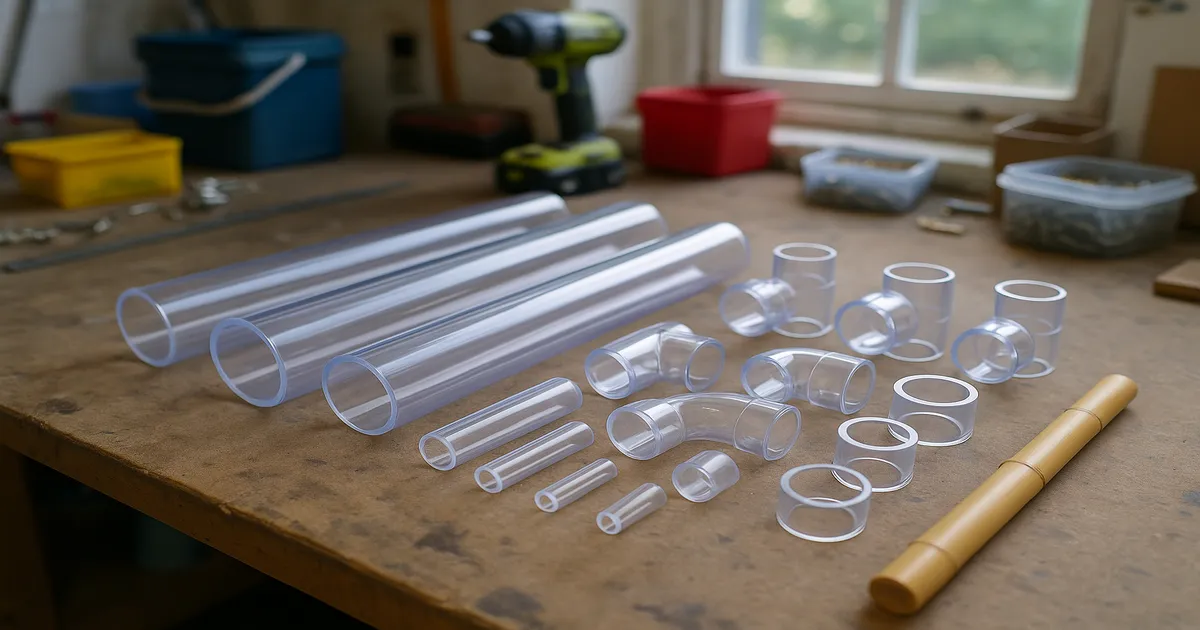
- Enclosure: 4×2×2 ft (120-gallon equivalent); PVC panels hold heat far better than glass
- Basking spot: 100–110°F (38–43°C)
- Cool side: 80–85°F (27–29°C)
- UVB: T5 HO 12% tube — Arcadia Dragon or Zoo Med Reptisun 10.0 T5 HO
- Humidity: 30–40%
- Diet: Juveniles 70% insects / 30% greens; adults 70% greens / 30% insects
- Lifespan: 10–15 years
- Startup cost: $300–$600+
Pros
- Most interactive and handleable lizard on this list — it’s not close
- Diurnal; kids see them active, basking, and displaying throughout the day
- Expressive behavior (beard displays, head bobs, arm waves) keeps kids engaged long-term
- Captive-bred in huge numbers; healthy animals are widely available
Cons
- Largest and most expensive setup here — not a budget pick
- Diet requires ongoing management; adults that never get greens as juveniles often refuse them later
- Coil/compact UVB bulbs are completely inadequate; a T5 HO tube is essential and this surprises a lot of first-time buyers
Best for: Families ready to invest in a proper setup who want a truly interactive reptile. The best overall choice for kids of almost any age.
Leopard Gecko (Eublepharis macularius)
Leopard geckos have been captive-bred for over 40 years, and it shows. These are calm, hardy, easy-to-handle animals that forgive beginner mistakes better than almost any other reptile. The 100+ color morphs are a huge draw for kids who love the idea of picking a one-of-a-kind animal, and the compact setup makes them practical for smaller homes or bedrooms.
The nocturnal schedule is the real trade-off. A leopard gecko is going to be hiding during most of the school day and come alive around 7–9 PM. For a teenager, that’s perfect. For a 6-year-old who goes to bed at 8 PM, it’s a recipe for disappointment.
Care Specs:
- Enclosure: 40-gallon breeder (36×18×18 in) for adults — don’t go smaller
- Warm hide surface temp: 88–92°F (31–33°C) — measured on substrate, not air
- Cool side: 72–78°F (22–26°C)
- Heating: Under-tank heater on a thermostat — never a heat rock
- UVB: Recommended — Arcadia ShadeDweller 7% or Zoo Med Reptisun 5.0 T5 HO
- Humidity: 30–40% ambient; moist hide at 70–80% for shedding
- Diet: 100% insectivorous — dubia roaches and crickets as staples, mealworms as occasional treats only
- Lifespan: 15–20+ years
- Startup cost: $150–$300
Pros
- Lowest startup cost and most compact setup on this list
- Extremely docile; rarely bites when properly socialized
- 100+ color morphs give kids a real sense of ownership and personalization
- The most beginner-friendly lizard in captivity, full stop
Cons
- Nocturnal; largely invisible during daytime hours
- Moist hide is non-negotiable — retained shed can cut off circulation to toes
- Mealworm-only diets are a common mistake; they’re too high in fat to be a staple feeder
Best for: Families on a budget, those with limited space, or older kids and teenagers who are active in the evenings.
Crested Gecko (Correlophus ciliatus)
Crested geckos have a genuinely compelling backstory — they were thought to be extinct until rediscovered in New Caledonia in 1994. That kind of story resonates with curious kids. Practically speaking, their appeal is that they need no supplemental heating in most homes, making the setup simpler and cheaper than almost anything else on this list. Their primary diet — Repashy or Pangea meal replacement powder — is also one of the easiest feeding routines in reptile keeping.
The catch is heat sensitivity. Crested geckos can’t tolerate temperatures above 85°F (29°C) for extended periods — a genuine concern in warm climates or poorly air-conditioned homes during summer. If you live somewhere that gets hot, think hard about this before committing.
Care Specs:
- Enclosure: 18×18×24 in arboreal setup for adults (Exo Terra Glass Terrarium 18x18x24)
- Temperature: 72–78°F (22–26°C) ambient — no basking required
- UVB: Optional but beneficial; Arcadia ShadeDweller 7% for 10–12 hours
- Humidity: 60–80%; mist once or twice daily, allow partial dry-out between mistings
- Diet: Repashy or Pangea MRP as primary; live insects 2–3x per week
- Lifespan: 15–20 years
- Startup cost: $150–$350
Pros
- No heating equipment needed in most temperate homes — lowest equipment overhead on this list
- MRP-based diet is easy and consistent; no feeder insect colony required
- Compact vertical enclosure fits on a desk or dresser
- Fascinating origin story and striking appearance make them great conversation pieces
Cons
- Cannot tolerate heat spikes above 85°F — a serious risk in warm climates or summer months
- Nocturnal; less active during daytime
- More stress-sensitive than bearded dragons or leopard geckos; frequent rough handling can cause permanent tail drop
Best for: Families in temperate climates who want a low-equipment setup and a genuinely interesting, low-maintenance reptile.
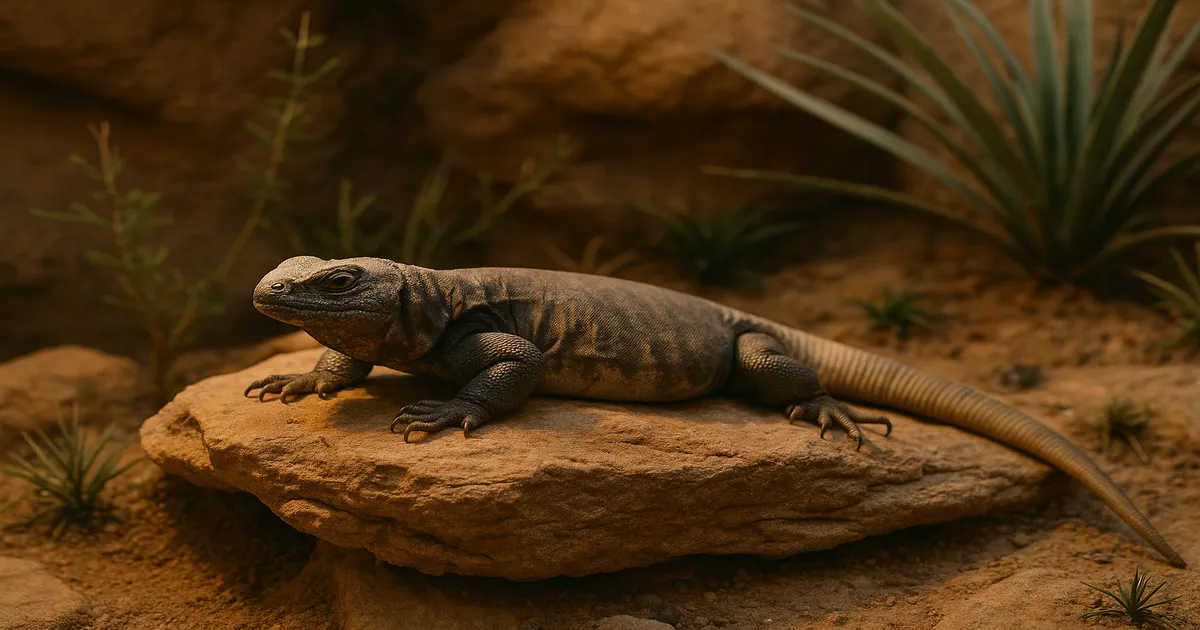
Blue-Tongued Skink (Tiliqua scincoides)
Blue-tongued skinks are the sleeper hit of kid-friendly lizards. That vivid blue tongue — flashed as a startle defense — is one of the most memorable things a child will ever see a reptile do, and it genuinely never gets old. Their heavy-bodied, slow-moving nature makes them easy to handle safely, and they become noticeably personable with regular interaction.
They’re best suited to families where a parent is willing to be involved, at least initially. The omnivorous diet and larger enclosure push them into the intermediate category, and they’re harder to find than bearded dragons — you’ll likely need to seek out a reputable breeder. But for families willing to put in the effort, they’re one of the most rewarding lizards you can keep.
Care Specs:
- Enclosure: 4×2×2 ft for adults
- Basking spot: 100–105°F (38–41°C)
- Cool side: 75–80°F (24–27°C)
- UVB: T5 HO 10.0 or Arcadia 12% — essential
- Humidity: 40–60% for Northern BTS; higher (60–80%) for Indonesian species
- Diet: Omnivorous — high-quality dog food (no onion/garlic), vegetables, occasional fruit and insects
- Substrate: 4–6 inches deep for burrowing
- Lifespan: 15–20 years
- Startup cost: $350–$700+
Pros
- Among the most docile and handleable lizards available — very safe for children
- The blue tongue display is unforgettable and never stops being entertaining
- Omnivorous diet is easy to source from a grocery store; no live feeder colony required
- Extremely rewarding long-term pet with real, individual personality
Cons
- Larger enclosure and higher startup cost than leopard geckos or crested geckos
- Less commonly available; may need to seek out a specialist breeder
- Care complexity is a step above the beginner-friendly options on this list
Best for: Families who want a truly unique, handleable lizard and are comfortable with a moderate step up in setup cost and care.
Green Anole (Anolis carolinensis)
Green anoles are the most affordable lizard on this list — in the southeastern US they’re often available at local pet stores for just a few dollars. They’re fascinating to observe: the dewlap display behavior is genuinely interesting, and watching them hunt insects is a great introduction to reptile biology for curious kids.
Honest caveat: these are observation pets, not handling pets. Green anoles are fast, skittish, and stress-prone when handled frequently. A child who wants to pick up their lizard regularly is going to have a bad time — and so will the anole. I’d only recommend them to patient older kids with a genuine interest in watching natural behavior rather than hands-on interaction.
Care Specs:
- Enclosure: 20-gallon (75L) tall minimum
- Basking spot: 88–90°F (31–32°C); ambient 75–82°F (24–28°C)
- UVB: Recommended — T5 HO 5.0 or 6%
- Humidity: 60–70%; daily misting required
- Diet: Insectivorous — small crickets, fruit flies, small dubia nymphs
- Lifespan: 3–5 years
- Startup cost: $75–$200
Pros
- Very low cost — the most budget-accessible lizard on this list
- Dewlap display and color-changing behavior are genuinely captivating to observe
- Good introduction to reptile biology for science-minded kids
- Widely available; native to the southeastern US
Cons
- Not a handling pet — frequent handling causes chronic stress and a shortened lifespan
- Shortest lifespan here (3–5 years), which can be emotionally hard for young children
- Daily humidity management is non-negotiable; less forgiving than other species on this list
Best for: Budget-conscious families or older kids who are more interested in observing natural behavior than hands-on interaction.
Our Verdict: Which Is the Best Pet Lizard for a Kid?
Best Overall: Bearded Dragon — Unmatched interactivity, diurnal schedule, and genuine personality make bearded dragons the right call for most families. If you’re willing to invest in a proper setup, you’ll have a pet that grows with your child and stays engaging for years.
Best Budget Pick: Leopard Gecko — Low startup cost, compact enclosure, and extraordinarily forgiving care make leopard geckos the easiest entry point into reptile keeping. Best suited to older kids and teenagers who are up in the evenings.
Best for Small Spaces: Crested Gecko — A vertical 18×18×24 in enclosure fits on a desk, needs no heating equipment in most homes, and the MRP-based diet is genuinely simple. Just make sure your home stays cool in summer.
Best for Older Kids and Teens: Blue-Tongued Skink — If your teenager is ready to step up from a beginner setup, a blue-tongued skink is one of the most rewarding lizards you can keep. The blue tongue display alone is worth the price of admission.
Best for Observation and Biology Lovers: Green Anole — For a science-minded older kid who wants to observe natural behavior on a tight budget, green anoles deliver. Just go in knowing they’re a look-don’t-touch pet.
One last thing: set up and stabilize the enclosure before you bring the animal home. Run the temperatures for 48–72 hours and confirm your basking spot with an infrared thermometer before the animal arrives. And find an exotic vet in your area now, while everything is fine — searching for one during a reptile health emergency is stressful and rarely goes well.
Frequently Asked Questions
What is the easiest lizard to take care of for a kid?
Leopard geckos win on pure care simplicity — compact setup, forgiving temperatures, and a straightforward insect diet. That said, if your child is young and wants an interactive pet they can see during the day, a bearded dragon is worth the extra setup effort. “Easiest” really depends on what your child wants from the experience.
Are bearded dragons or leopard geckos better for kids?
For younger children (roughly 6–10 years old), bearded dragons are usually the better fit — they’re active during the day and genuinely enjoy interaction. Leopard geckos are a better match for older kids and teenagers who are up in the evenings and want a lower-maintenance pet with a smaller footprint. Budget matters too: a proper bearded dragon setup costs roughly twice what a leopard gecko setup does.
What age is appropriate for a child to have a pet lizard?
Most experienced keepers suggest 6 years old as a reasonable minimum, with significant parental involvement in daily care. At that age, kids can participate in feeding and handling but shouldn’t be solely responsible for monitoring temperatures or spotting health issues. Teenagers can realistically manage most of the care independently, especially with forgiving species like leopard geckos.
How much does it cost to set up a pet lizard for a child?
A leopard gecko setup done right runs $150–$300 for the enclosure, heating, thermostat, hides, and initial supplies. A bearded dragon setup is $300–$600+ once you account for the larger enclosure, high-output UVB fixture, and basking lighting. Ongoing costs for either species run roughly $30–$80/month for live feeders, supplements, and electricity — plus budget for at least one exotic vet visit per year.
Do pet lizards bite kids?
Well-socialized, captive-bred lizards rarely bite. The main trigger is improper handling — grabbing from above (which mimics a predator), reaching in before the animal has acclimated, or missing stress signals like gaping, tail-lashing, or color darkening. Give any new lizard 1–2 weeks to settle in before regular handling, start with short sessions, and teach kids to let the lizard walk onto their hand rather than grabbing it. Bites from bearded dragons and leopard geckos are uncommon and rarely break skin when they do occur.